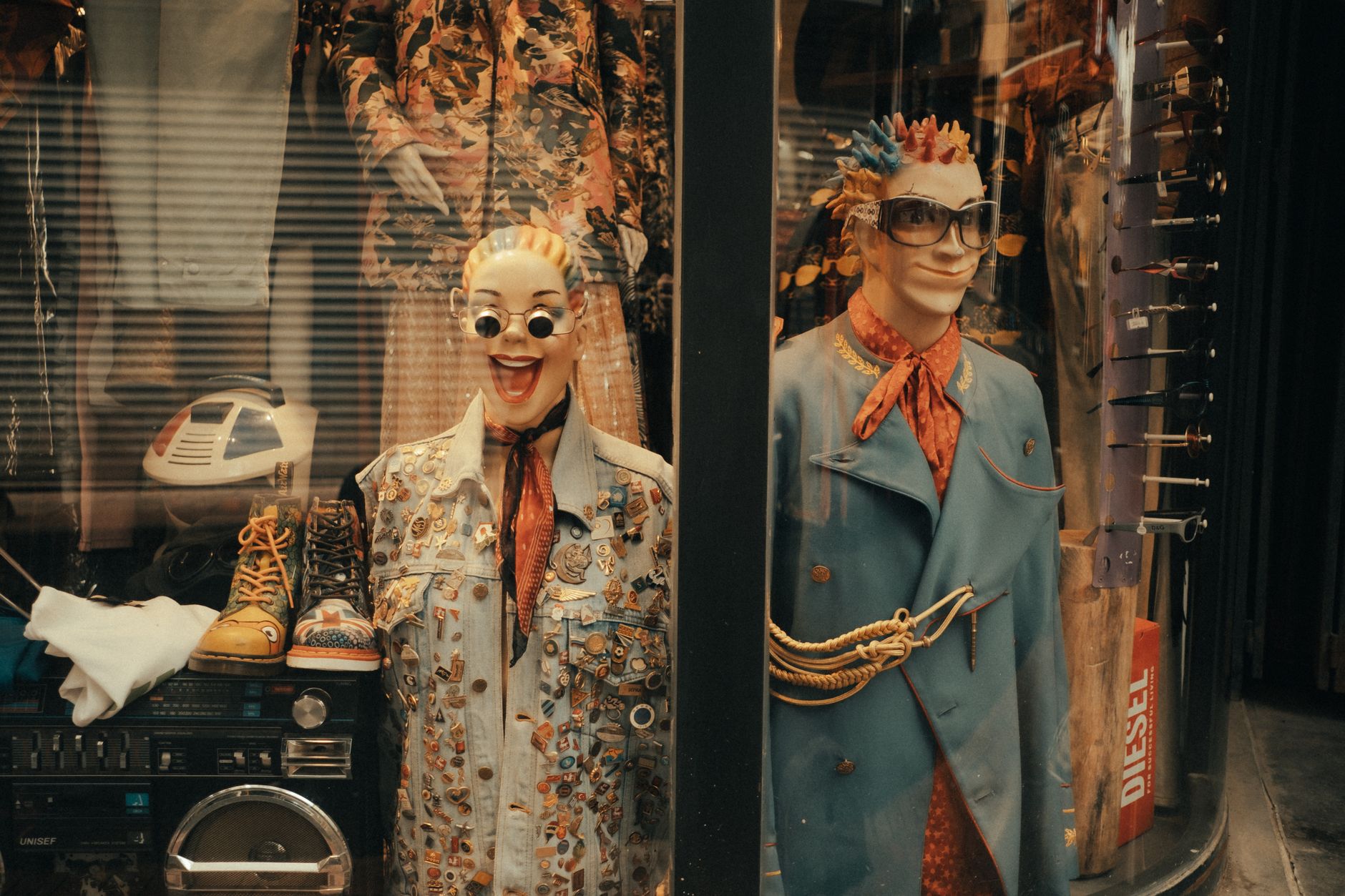
Top Vintage Clothing Stores London: Your Ultimate Guide
vintage clothing stores London

Top Vintage Clothing Stores London: Your Ultimate Guide

Unearth hidden gems and sustainable style in London's thriving vintage fashion scene, from iconic boutiques to bustling markets.

Start Your Vintage Hunt

Key Takeaways

  • ✓ London boasts over 200 dedicated vintage clothing stores.
  • ✓ The city's vintage scene contributes significantly to sustainable fashion.
  • ✓ Areas like Shoreditch, Notting Hill, and Soho are vintage hotspots.
  • ✓ Prices can range from budget-friendly finds to high-end designer pieces.

How It Works

1
Define Your Style & Budget

Before you dive in, consider what era or aesthetic you're looking for and how much you're willing to spend. This helps narrow down the vast options available across London.

2
Explore Key Vintage Hubs

Focus your search on renowned areas like Brick Lane, Portobello Road, or Camden for a concentrated experience. Each area has its own distinct vintage vibe and specialities.

3
Inspect & Authenticate

Always check garments for condition, authenticity, and fit before purchasing. Look for stains, tears, and ensure zips or buttons are functional, especially for higher-value items.

4
Haggle (Where Appropriate)

In markets or smaller independent shops, a friendly haggle might be possible, especially for multiple purchases. However, be respectful of fixed prices in established boutiques.

The Allure of Vintage Clothing Stores London: A Sustainable Fashion Revolution
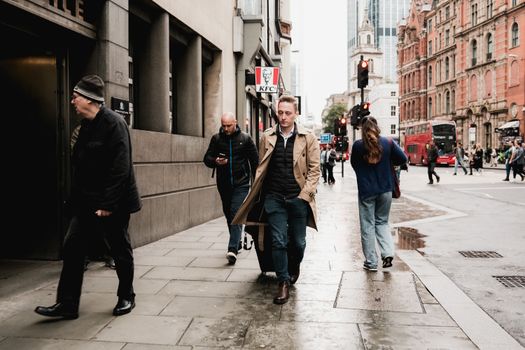
A bustling city street in London with people walking, red buses, and historic architecture. Photo: Airam Dato-on / Pexels
London, a global fashion capital, has long been at the forefront of trends, but its vintage clothing scene offers something far more enduring and impactful: a sustainable alternative to fast fashion. The city's myriad vintage clothing stores London are not just places to buy old clothes; they are treasure troves of history, unique style, and ethical consumption. In an era where environmental consciousness is paramount, embracing vintage fashion means giving garments a second life, reducing textile waste, and lowering your carbon footprint. This movement is more than just a trend; it's a fundamental shift in how we approach our wardrobes, promoting longevity and individuality over fleeting fads. From the bustling markets of East London to the curated boutiques of West London, the sheer diversity of vintage offerings is astounding. You can find everything from exquisite Victorian lace and roaring twenties flapper dresses to iconic 1970s disco wear and sophisticated 1990s minimalist pieces. Each item tells a story, carrying with it the whispers of past lives and eras, offering a unique narrative that modern mass-produced clothing simply cannot replicate. This historical connection is a significant draw for many vintage enthusiasts, allowing them to wear a piece of the past and connect with different cultural moments. Beyond the environmental benefits and historical charm, the appeal of vintage lies in its exclusivity. When you buy a vintage piece, you're investing in something truly one-of-a-kind. It's highly unlikely you'll bump into someone else wearing the exact same outfit, fostering a sense of personal style and self-expression that is often diluted in the world of high-street fashion. This individuality is a powerful antidote to the homogenisation of modern style, enabling wearers to cultivate a distinctive aesthetic that stands out from the crowd. Moreover, many vintage garments were crafted with superior materials and construction techniques, designed to last rather than be discarded after a few wears. This often means better quality for your money, a smart investment in a durable and stylish wardrobe. Understanding the foundational principles of sustainable fashion is key to appreciating the depth of the vintage movement. The search for vintage is also an experience in itself – a delightful hunt, a journey of discovery. It’s about sifting through rails, unearthing unexpected gems, and the thrill of finding that perfect piece that speaks to you. This tactile and exploratory process contrasts sharply with the often impersonal experience of online shopping or navigating crowded chain stores. London's vintage landscape caters to all tastes and budgets, from those seeking affordable everyday wear to collectors on the hunt for rare designer finds. Whether you're a seasoned vintage aficionado or a curious newcomer, the city's vintage clothing stores offer an unparalleled opportunity to explore, experiment, and embrace a more conscious and characterful way of dressing. The economic aspect also cannot be overlooked; vintage shopping often provides incredible value, allowing access to high-quality fabrics and designs at a fraction of their original cost, making luxury more accessible and democratic.

Navigating London's Top Vintage Hotspots: A District-by-District Guide
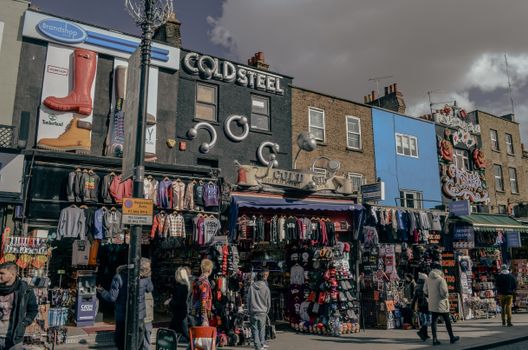
A vibrant street view of Camden Market in London showcasing quirky fashion shops and bustling activity. Photo: Hub JACQU / Pexels
London's vintage scene is sprawling, diverse, and often concentrated in specific neighbourhoods, each with its own unique flavour and specialities. Knowing where to go can significantly enhance your vintage hunting experience. **East London**, particularly Shoreditch and Brick Lane, is arguably the epicentre of London's vintage culture. Here, you'll find a vibrant mix of large warehouses, independent boutiques, and bustling market stalls. Brick Lane is home to iconic establishments like Beyond Retro and Rokit, offering vast selections of everything from denim and leather to quirky accessories and formal wear. These stores are often organised by garment type and era, making browsing a more streamlined, albeit still extensive, process. The surrounding streets also host smaller, more curated shops, perfect for discovering unique pieces you won't find anywhere else. The energy here is palpable, a true reflection of London's creative pulse. Moving west, **Notting Hill** and its famous Portobello Road Market present a more upscale, curated vintage experience. While the market itself is renowned for antiques and bric-a-brac, several excellent vintage clothing stalls and shops dot the area, especially on Saturdays. Here, you might find more high-end designer vintage, exquisite jewellery, and beautifully preserved garments from earlier decades. The atmosphere is charming and picturesque, making for a leisurely and luxurious vintage expedition. Expect to find more tailored pieces, classic silhouettes, and a focus on quality and craftsmanship. It’s a stark contrast to the edgier, more bohemian vibe of East London, catering to a different kind of vintage enthusiast. **Camden Town** offers another distinct vintage flavour, known for its alternative and punk rock roots. Camden Market, a labyrinth of stalls and shops, is a treasure trove for unique, often quirky, vintage finds, especially if you're into subculture fashion, band tees, and statement pieces. While it can be overwhelming, the sheer volume of goods means there's always something unexpected to discover. It's less about high fashion and more about individual expression, making it a favourite for those looking to create a truly unique personal style. The area also has a number of vintage shops specialising in military surplus, workwear, and sportswear, catering to specific niche interests. Finally, the more central areas like **Soho** and **Covent Garden** house a selection of smaller, often more boutique-style vintage shops. These can be pricier but often offer highly curated collections of designer vintage and rare finds. They are perfect for a targeted search if you know exactly what you're looking for or are seeking a special occasion outfit. These shops often have knowledgeable staff who can offer insights into the history and provenance of their pieces, elevating the shopping experience. Each district provides a unique lens through which to explore the vast and exciting world of vintage clothing stores London, promising an adventure for every taste and budget.

Tips for Successful Vintage Shopping: Unearthing Your Next Wardrobe Gem
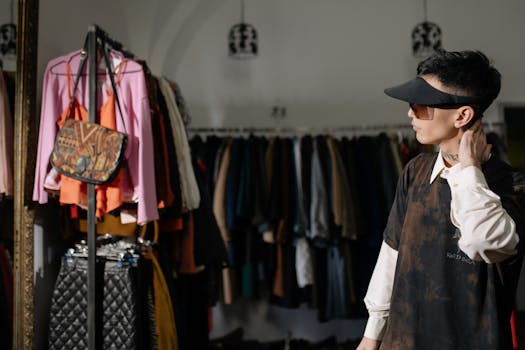
Man wearing sunglasses and sun visor browsing clothes rack at thrift store. Photo: cottonbro studio / Pexels
Embarking on a vintage shopping spree in London can be an exhilarating experience, but a little preparation and strategy can transform a good trip into an exceptional one. Firstly, **go with an open mind and plenty of time**. Vintage shopping is not like high-street retail; it requires patience and a willingness to explore. Don't go in with a rigid list of items you *must* find, as this can lead to disappointment. Instead, embrace the serendipity of discovery. Allow yourself to browse, try things on that you wouldn't normally consider, and enjoy the process of unearthing hidden treasures. The best finds often come from unexpected places and spontaneous decisions. Think of it as a treasure hunt where the reward is a unique piece of fashion history. **Inspect garments thoroughly** before making a purchase. Vintage items have lived a life before reaching your hands, and while minor imperfections can add character, significant damage might not be worth the investment. Check for tears, stains, missing buttons, broken zippers, and signs of wear on collars, cuffs, and hems. Pay close attention to the fabric's condition and the garment's overall structural integrity. A quick check of the seams and stitching can also reveal the quality of construction. Many vintage pieces are incredibly well-made, but it’s always wise to be vigilant. Don't be afraid to ask shop assistants about the item's history or any known flaws; reputable vintage stores are transparent about the condition of their stock. **Know your measurements, not just your size.** Vintage sizing can be notoriously inconsistent and differs significantly from modern sizing conventions. A 'size 10' from the 1960s will likely be much smaller than a contemporary size 10. Instead of relying on the tag, carry a small tape measure or at least know your key measurements (bust, waist, hips). Better yet, try everything on! This is crucial for ensuring a good fit, as alterations can be costly and sometimes difficult with delicate vintage fabrics. Many vintage shops have fitting rooms, but if not, wear something easy to slip items over, like leggings and a thin top. Finally, **consider the potential for alteration and cleaning.** A garment might be perfect in every way except for a slightly too-long hem or a missing button. These are often easy and affordable fixes that can transform a good find into a perfect one. Similarly, factor in the cost of professional cleaning for delicate or heavily embellished items. Some vintage fabrics, like silk or wool, might require dry cleaning. Being mindful of these potential extra steps ensures that your vintage purchase integrates seamlessly into your wardrobe. By following these tips, your exploration of London's fashion scene, particularly its vintage offerings, will be much more rewarding and enjoyable, leading to truly unique and cherished additions to your collection.

Beyond the Rack: The Broader Impact of London's Vintage Scene
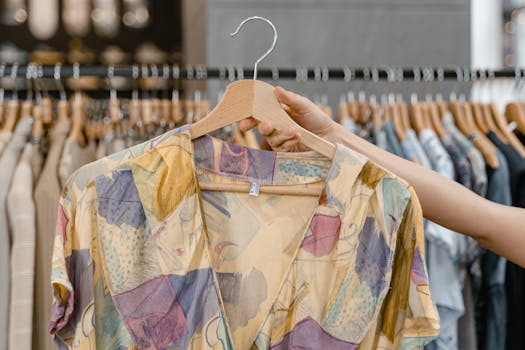
A person holding a vibrant patterned dress on a hanger inside a clothing store. Photo: MART PRODUCTION / Pexels
London's vintage clothing stores are more than just retail outlets; they are vital components of a larger cultural and economic ecosystem, fostering creativity, community, and a significant shift towards more conscious consumption. The sheer volume and variety of vintage available in London mean that the city acts as a major hub for the redistribution of pre-loved garments, diverting countless items from landfill each year. This environmental benefit is perhaps the most compelling argument for embracing vintage. The fashion industry is a notorious polluter, and by extending the life cycle of clothing, vintage shopping directly combats the wasteful practices of fast fashion. Every vintage purchase is a small but meaningful act of rebellion against overconsumption and the disposable nature of modern trends. It's about valuing craftsmanship, durability, and history over fleeting novelty. Economically, the vintage sector supports a diverse range of independent businesses, from small family-run shops to larger curated warehouses. These businesses provide employment, contribute to local economies, and often champion ethical sourcing practices. Many vintage shop owners are passionate experts, dedicating years to curating their collections and possessing extensive knowledge about fashion history, fabrics, and authenticity. This expertise adds significant value to the shopping experience, transforming a simple transaction into an educational and engaging interaction. These entrepreneurs are not just selling clothes; they are preserving fashion heritage and fostering a unique cultural niche that thrives on individuality and storytelling. Culturally, London's vintage scene is a hotbed of inspiration for designers, stylists, and fashion enthusiasts alike. The archives of past styles inform contemporary trends, and vintage pieces are frequently spotted on runways and in fashion editorials. It allows individuals to develop a distinctive personal style, free from the dictates of current trends. This freedom of expression is crucial in a city as diverse and creative as London, where personal style is often a reflection of identity and belonging. The vintage community also thrives on sharing knowledge, tips, and finds, creating a vibrant subculture of enthusiasts who appreciate the art and history of clothing. Furthermore, the accessibility of vintage fashion means that unique and high-quality garments are available across a wide range of price points, democratising style. It allows individuals from all walks of life to access well-made clothing that might otherwise be out of reach. This inclusivity is a powerful aspect of the vintage movement, making sustainable and distinctive fashion available to a broader audience. The growth of vintage clothing stores London reflects a growing societal awareness and a desire for more meaningful consumption, positioning London as a leader in the global movement towards a more sustainable and individualistic approach to fashion. It's a testament to the enduring appeal of quality, individuality, and a conscious choice to dress differently.

Comparison

FeatureBeyond Retro (East London)Rokit (Camden/Brick Lane)Portobello Vintage (Notting Hill)Traid (Various Locations)
Price RangeMid-range to PremiumAffordable to Mid-rangePremium DesignerBudget-friendly
Selection SizeVery LargeLargeCurated SmallMedium
SpecialityTrend-led Vintage, DenimWorkwear, Streetwear, DesignerHigh-end, Classic, DesignerEveryday Wear, Themed Collections
Sustainability Focus
Alterations/Repairs

What Readers Say

"I absolutely love the vintage clothing stores in London! I found the most incredible 70s jumpsuit on Brick Lane last weekend, and it fits like a dream. It's so much more unique than anything on the high street."

Chloe Davies · Islington, London

"Rokit on Brick Lane is my go-to for vintage denim and band tees. The selection is huge, and I always manage to snag something cool. It's great to know I'm supporting sustainable fashion too."

Marcus Thorne · Hackney, London

"I was looking for a unique dress for a wedding and found a stunning 1950s silk gown at a boutique near Portobello Road. It was a bit of an investment, but the quality is unmatched, and I received so many compliments."

Sarah Jenkins · Chelsea, London

"Camden Market has some fantastic vintage finds if you're willing to dig. Sometimes it can be a bit overwhelming, but I've found some truly one-of-a-kind military jackets and sportswear there that I cherish."

Liam O'Connell · Camden, London

"I recently started exploring vintage clothing stores London for my wardrobe, and I'm hooked! I've saved so much money on high-quality pieces, and it feels good to be more environmentally conscious with my fashion choices."

Anya Sharma · Richmond, London

Frequently Asked Questions

What areas in London are best for vintage clothing stores?

The best areas for vintage clothing stores in London are generally East London (Shoreditch, Brick Lane), West London (Notting Hill and Portobello Road), and Camden Town. Each area offers a distinct vibe, from edgy streetwear to curated designer pieces, catering to a wide range of tastes and budgets. Exploring these hubs will give you the most comprehensive vintage shopping experience.

Is vintage clothing in London expensive?

The cost of vintage clothing in London varies greatly. You can find very affordable items at charity shops or market stalls, especially in areas like Brick Lane or some Traid stores. However, curated boutiques in Notting Hill or Soho, offering designer vintage or rare historical pieces, can be quite expensive. It truly depends on the item's age, condition, brand, and rarity.

How do I ensure the quality of vintage clothing before buying?

To ensure quality, always thoroughly inspect the garment for any damage like tears, stains, or missing buttons. Check seams for integrity and feel the fabric for any signs of excessive wear or brittleness. If possible, try it on to assess fit and comfort. Don't hesitate to ask shop staff about the item's history or any known flaws; reputable dealers are transparent.

Can I haggle for prices in vintage clothing stores London?

Haggling is generally more acceptable and common in market settings (like Portobello Road or Camden Market stalls) or smaller independent shops, especially if you're buying multiple items. In established, higher-end vintage boutiques or chain vintage stores like Beyond Retro, prices are usually fixed. It's always best to gauge the atmosphere and the vendor before attempting to negotiate.

How does vintage shopping contribute to sustainability?

Vintage shopping is a cornerstone of sustainable fashion because it extends the life cycle of clothing, significantly reducing textile waste that would otherwise end up in landfills. It lessens the demand for new production, thereby decreasing the environmental impact associated with manufacturing new garments, such as water consumption, energy use, and pollution from dyes and chemicals.

Who should consider shopping at vintage clothing stores London?

Anyone looking for unique, distinctive fashion, those passionate about sustainable living, individuals wanting to save money on high-quality garments, or anyone interested in fashion history will love London's vintage scene. It's perfect for creating a personal style that stands out from mainstream trends.

Are vintage clothes hygienic?

Reputable vintage clothing stores in London typically clean and prepare their garments before putting them on sale. However, it's always recommended to wash or dry clean any vintage clothing you purchase before wearing it, especially items that come from market stalls or less formal settings, just as you would with any second-hand item.

What are the future trends for London's vintage fashion scene?

The future of London's vintage fashion scene is likely to see continued growth, with an emphasis on online accessibility, curated designer vintage, and an even stronger focus on sustainability. Expect more hybrid models combining physical stores with strong online presences, increased specialisation in particular eras or styles, and a growing integration with mainstream fashion as conscious consumerism becomes the norm.

Embark on your own fashion adventure through the diverse and exciting vintage clothing stores London has to offer. Discover unique pieces, embrace sustainable style, and redefine your wardrobe with character and history. Start exploring today!

Topics: vintage clothing stores LondonLondon vintage fashionpre-loved clothing Londonsustainable fashion Londonretro shops London
Leo List
Brampton weed
Adultwork EstrelaBet Vai de Bet R7 Bet Betão Galera Bet Rainbet Bet9ja Shop SportyBet BetKing Sisal Loto Foot Hollywoodbets YesPlay Odibets RushBet Jugabet BetWarrior BetCity MSport betPawa Fortebet