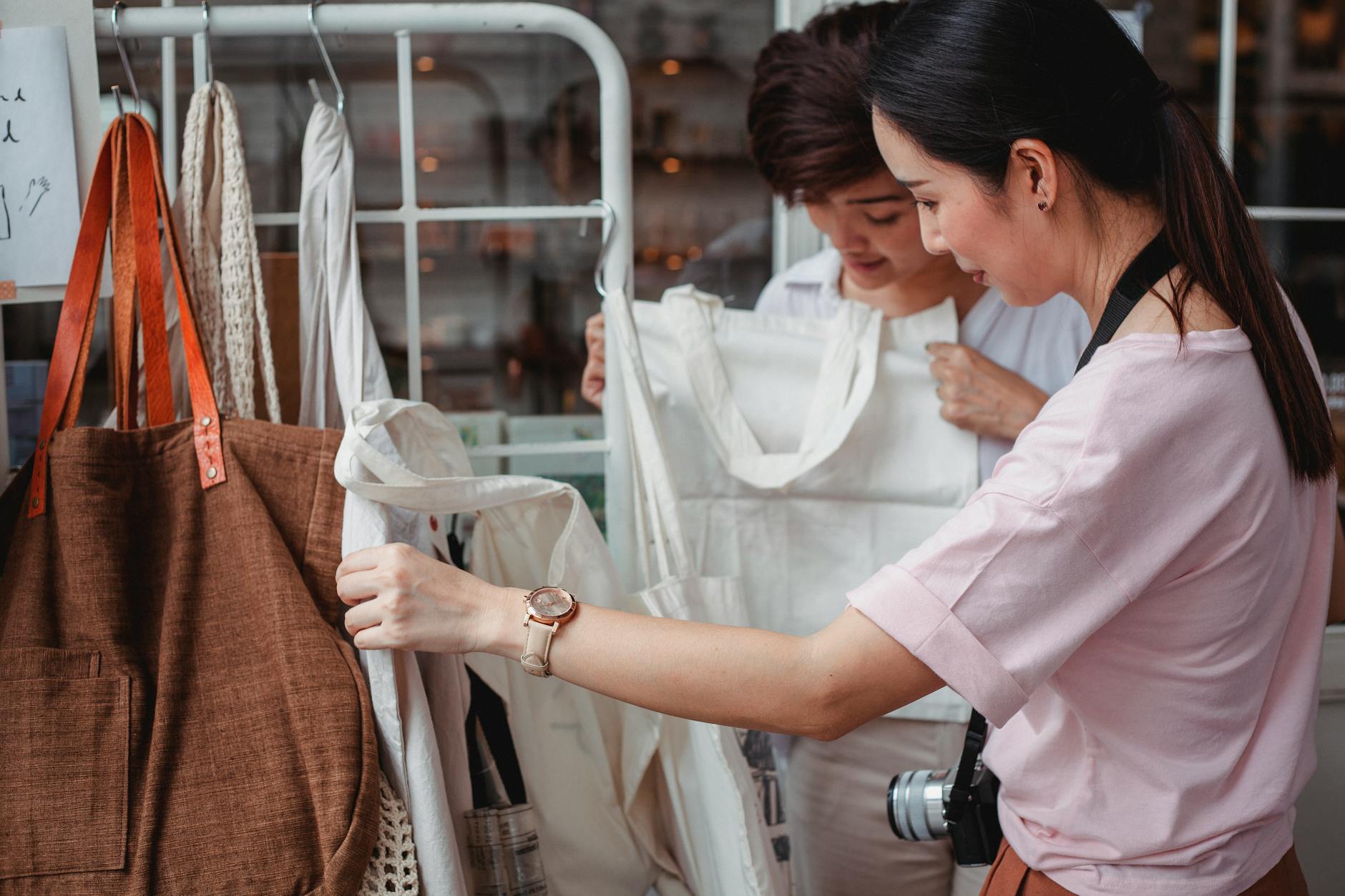
Find Your Style: Affordable Ethical Clothing UK Guide
affordable ethical clothing UK

Find Your Style: Affordable Ethical Clothing UK Guide

Unlock the secrets to building a stylish, sustainable, and budget-friendly wardrobe without sacrificing your principles.

Start Your Ethical Journey

Key Takeaways

  • ✓ The UK ethical fashion market is growing, offering more affordable options.
  • ✓ Sustainable clothing doesn't always mean expensive; savvy shopping is key.
  • ✓ Transparency in supply chains is a hallmark of truly ethical brands.
  • ✓ Second-hand and vintage are excellent, often overlooked, ethical choices.

How It Works

1
Define Your Values & Budget

Before you shop, understand what 'ethical' means to you (e.g., fair wages, organic materials, animal welfare). Set a realistic budget to guide your choices.

2
Research Ethical Brands & Retailers

Explore UK-based brands and online marketplaces committed to ethical practices. Look for certifications and clear statements on their sourcing and production.

3
Embrace Second-Hand & Swapping

Dive into the vibrant world of pre-loved clothing through charity shops, vintage stores, and online platforms. Organise clothing swaps with friends to refresh your wardrobe sustainably.

4
Shop Smart & Care for Your Clothes

Invest in versatile, high-quality pieces that last. Learn proper garment care to extend the life of your clothing, reducing the need for frequent replacements.

The Myth of Expensive Ethical Fashion: Unveiling Affordable Sustainable Choices in the UK
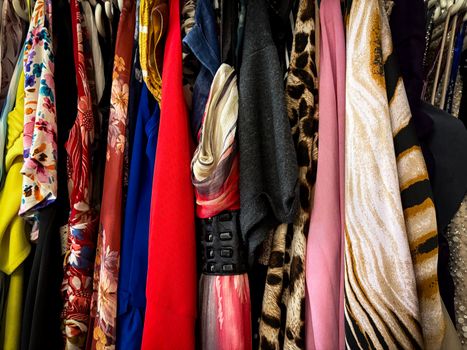
A vibrant collection of vintage clothes on hangers showcasing various patterns and fabrics. Photo: Magda Ehlers / Pexels
For too long, the narrative around ethical and sustainable fashion has been tainted with the perception of unaffordable luxury. Many consumers in the UK, keen to align their purchasing power with their values, have felt priced out of the market, resigning themselves to the fast fashion treadmill due to budget constraints. This is a misconception we aim to dismantle. The landscape of affordable ethical clothing UK has evolved dramatically, offering a wealth of options that won't break the bank while still upholding crucial environmental and social standards. The key lies in understanding what truly constitutes 'ethical' and 'affordable' within this context and knowing where to look. Ethical fashion encompasses a broad spectrum of considerations, from fair wages and safe working conditions for garment workers to environmentally friendly production processes, sustainable materials, and animal welfare. Historically, achieving these standards often came with a premium, as brands absorbed the higher costs associated with responsible sourcing and manufacturing. However, as consumer demand for transparency and sustainability grows, more brands are emerging, and existing ones are adapting, to make ethical choices more accessible. The 'affordable' aspect is equally subjective. While a single ethical garment might have a higher upfront cost than its fast fashion counterpart, its longevity, quality, and positive impact often make it a more cost-effective and valuable investment in the long run. We're moving beyond the idea of cheap, disposable clothing towards a model of thoughtful consumption. One of the primary drivers of this affordability shift is the increasing availability of sustainable materials. Organic cotton, recycled polyester, Tencel, and hemp are becoming more mainstream, driving down their production costs. Furthermore, smaller, independent UK brands are leveraging direct-to-consumer models, cutting out intermediaries and allowing them to offer ethically produced items at more competitive prices. These brands often specialise in timeless designs and durable construction, encouraging a 'buy less, choose well' philosophy that inherently saves money over time. It's about shifting our mindset from quantity to quality, from fleeting trends to enduring style. This guide will help you navigate this exciting new world, providing concrete strategies and resources to build a wardrobe that reflects your values without emptying your wallet. The journey to affordable ethical clothing in the UK is more accessible than ever before, requiring only a little research and a willingness to embrace new shopping habits. You'll find that making conscious choices can be both empowering and economically sound. Discover more about sustainable fashion practices here.

Navigating the UK Market: Spotting Genuinely Ethical Brands on a Budget
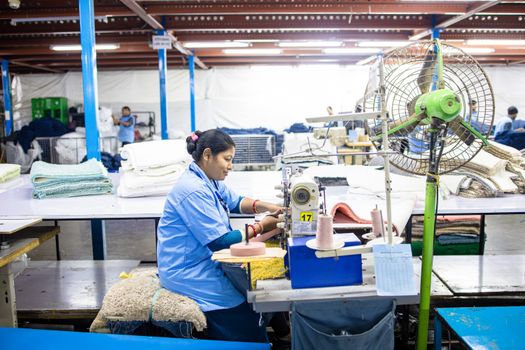
Female worker sewing at textile factory indoor setup, highlighting industrial labor. Photo: EqualStock IN / Pexels
The UK market is brimming with brands claiming to be 'sustainable' or 'eco-friendly,' but deciphering genuine commitment from greenwashing can be a challenge, especially when affordability is a priority. To truly find affordable ethical clothing UK, consumers need to become discerning detectives. One of the most reliable indicators of genuine ethical practice is transparency. Brands that are truly committed to sustainability and fair labour will openly share information about their supply chains, manufacturing processes, material sourcing, and worker conditions. Look for dedicated 'Ethics' or 'Sustainability' pages on their websites that go beyond vague statements and provide verifiable details. Certifications are another powerful tool in your ethical shopping arsenal. While not all small, ethical brands can afford every certification, those that do obtain them provide an extra layer of assurance. Key certifications to look out for include GOTS (Global Organic Textile Standard) for organic fibres, Fair Trade Certified for fair labour practices, OEKO-TEX Standard 100 for harmful substance testing, and B Corp certification, which recognises companies meeting high standards of social and environmental performance, accountability, and transparency. While some certified items might be slightly pricier, the assurance they provide often justifies the cost, and many brands are working to integrate these standards into more budget-friendly lines. Beyond certifications, consider the materials used. Opt for natural fibres like organic cotton, linen, hemp, and Tencel/Lyocell, which are generally more sustainable than conventional cotton or synthetic materials like virgin polyester. However, don't dismiss recycled synthetics entirely; recycled polyester, for instance, diverts plastic waste from landfills and uses fewer resources than new polyester. The key is balance and understanding the lifecycle of the material. Many affordable ethical brands in the UK are excelling at using innovative, lower-impact materials without inflating prices excessively. Furthermore, investigate the brand's approach to waste and packaging. Do they use minimal or recycled packaging? Do they offer repair services or take-back programs? These details speak volumes about a brand's holistic commitment to sustainability. Finally, read reviews and independent assessments. Ethical consumer guides and blogs often provide detailed analyses of brands' practices, helping you make informed decisions. Remember, finding truly affordable ethical clothing in the UK involves a blend of research, critical thinking, and a willingness to support brands that align with your values, even if it means a slight shift in your usual shopping habits. The effort pays off in a wardrobe you can be proud of, both ethically and aesthetically.

Beyond New Purchases: The Power of Second-Hand and Sustainable Practices
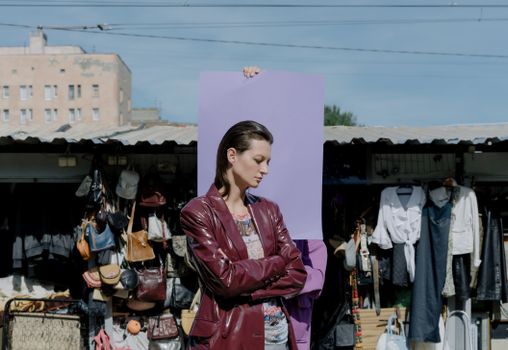
Stylish woman in leather coat posing confidently at an outdoor market, showcasing trendy fashion. Photo: cottonbro studio / Pexels
When we talk about affordable ethical clothing UK, it's crucial to expand our definition beyond solely purchasing new items from ethical brands. The most sustainable garment is often the one that already exists, and the second-hand market offers an incredibly rich and diverse array of choices that are inherently ethical and almost always more affordable. Charity shops, vintage boutiques, online marketplaces like Vinted, Depop, eBay, and even local clothing swap events are treasure troves waiting to be explored. Not only do these options significantly reduce the environmental impact associated with new production (energy, water, dyes, waste), but they also provide unique, often higher-quality pieces at a fraction of their original cost. Embracing second-hand fashion is a powerful act of defiance against the fast fashion cycle. It extends the life of garments, preventing them from ending up in landfills, and fosters a circular economy. Many UK cities boast fantastic vintage markets and independent second-hand stores where you can find everything from timeless classics to unique, one-off pieces. Online platforms have made second-hand shopping more convenient than ever, allowing you to filter by size, brand, and style, often from the comfort of your own home. The thrill of finding a pre-loved gem is unmatched, and it's a truly sustainable way to refresh your wardrobe without contributing to overproduction. Beyond acquiring clothes, practicing sustainable habits with your existing wardrobe is equally vital for affordable ethical clothing in the UK. Learning basic mending skills, such as sewing on a button or repairing a small tear, can dramatically extend the life of your garments. Investing in a good quality sewing kit or seeking out local alteration services can save money and reduce waste. Proper garment care, such as washing clothes less frequently, using cold water, air-drying instead of tumble-drying, and following care labels, also plays a significant role in longevity. These simple habits not only preserve your clothes but also save energy and water, further reducing your environmental footprint and household costs. Consider upcycling or customising old clothes to give them a new lease of life, transforming something you no longer wear into a unique, personal statement. This creative approach fosters a deeper connection with your clothes and reduces the need for new purchases. Explore more ways to extend your clothes' lifespan. Finally, think about clothing swaps. Organising or participating in a clothing swap with friends, family, or community groups is a fantastic, free way to update your wardrobe. It's a social, fun, and zero-waste method of exchanging items you no longer wear for 'new' pieces that others have discarded. By integrating second-hand shopping, mindful care, and creative reuse into your fashion routine, you're not just saving money; you're actively participating in a more ethical and sustainable fashion ecosystem.

Smart Shopping Strategies and Common Pitfalls to Avoid
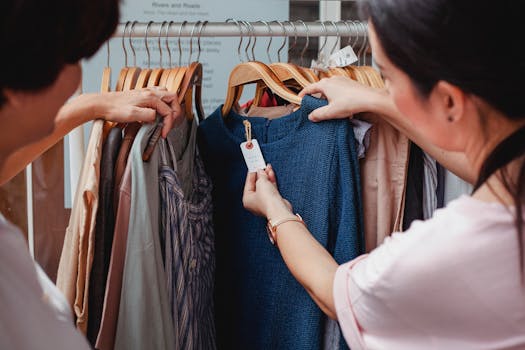
Two women browse clothes in a boutique, examining a blue dress. Photo: Sam Lion / Pexels
To consistently find affordable ethical clothing in the UK, adopting smart shopping strategies is paramount. It’s not just about knowing where to look, but how to look. One effective strategy is to create a 'capsule wardrobe' – a collection of versatile, interchangeable pieces that can be mixed and matched to create numerous outfits. This approach encourages thoughtful purchases, focusing on quality over quantity, and reduces impulse buys. By investing in fewer, well-made ethical items, you’ll find they last longer, saving you money in the long run. Another tip is to shop out of season. Ethical brands, like any retailer, often have sales to clear inventory. By purchasing winter coats in spring or summer dresses in autumn, you can often secure ethical items at significantly reduced prices. Sign up for newsletters from your favourite ethical brands; they frequently announce sales, discount codes, or special promotions to their subscribers first. Consider the 'cost per wear' rather than just the initial price tag. A £50 ethical t-shirt worn 100 times costs 50p per wear, while a £10 fast fashion t-shirt worn 5 times before falling apart costs £2 per wear. The ethical option is clearly more affordable in the long term. Prioritise classic styles over fleeting trends, as timeless pieces will remain fashionable for years, further enhancing their cost-per-wear value. **Common Pitfalls to Avoid:** * **Greenwashing:** Be wary of brands using vague terms like 'eco-friendly' or 'conscious collection' without providing concrete evidence or certifications. If transparency is lacking, it's likely greenwashing. * **Impulse Buying:** Even with ethical brands, an impulse purchase of something you don't truly need or love is not sustainable. Take time to consider if the item fits your existing wardrobe and lifestyle. * **Ignoring Care Instructions:** Neglecting to properly care for your ethical garments can shorten their lifespan, negating the benefits of their quality and ethical production. * **Overlooking Second-Hand:** Many people still shy away from pre-loved clothing, missing out on a huge, affordable, and sustainable resource. Give it a try! * **Expecting Fast Fashion Prices:** While affordable ethical clothing exists, expecting to pay fast fashion prices for newly produced, ethically made garments is often unrealistic. Adjust your expectations to reflect the true cost of responsible production. By combining these smart shopping strategies with an awareness of common pitfalls, you can confidently navigate the market for affordable ethical clothing in the UK, building a wardrobe that's both stylish and sustainable.

Comparison

FeatureEthical & Affordable Brands (UK)Second-Hand/Vintage (UK)Fast Fashion Brands
Price PointMid-range to budget-friendlyVery affordable to unique findsVery low
Environmental ImpactLow (sustainable materials, fair production)Very low (extends garment life)High (resource intensive, waste)
Social ImpactHigh (fair wages, safe conditions)Indirect positive (circular economy)Often negative (poor labour practices)
Quality & DurabilityGenerally high, designed to lastVaries, often high for vintageGenerally low, designed for trends
TransparencyHigh (certifications, supply chain info)N/A (focus on existing items)Low (opaque supply chains)
UniquenessModern, often timeless designsHigh, one-of-a-kind itemsMass-produced, trendy

What Readers Say

"I used to think ethical clothing was out of my budget, but this guide completely changed my perspective. I found several UK brands offering stylish organic cotton basics at prices comparable to mid-range high street stores. My wardrobe feels so much better now!"

Sarah J. · Manchester, UK

"The tips on shopping second-hand were invaluable. I've been exploring local charity shops and online platforms, and I'm amazed at the quality and variety of affordable ethical clothing UK has to offer. It's like a treasure hunt!"

Tom P. · Bristol, UK

"Following the advice here, I invested in a few key versatile pieces from an ethical UK brand. They cost a bit more upfront, but the quality is incredible, and I've worn them so many times. My 'cost per wear' is tiny, and I feel good about my choices."

Eleanor K. · Edinburgh, UK

"While some ethical options are still a stretch for my budget, this guide provided practical steps to make sustainable choices more accessible. I particularly appreciate the focus on repairing and extending the life of clothes I already own. It's a journey, not a switch."

David L. · London, UK

"As a student, I thought ethical fashion was a luxury I couldn't afford. This article showed me how to combine savvy second-hand shopping with carefully chosen new pieces. My style hasn't suffered, and my conscience is clear!"

Chloe M. · Cardiff, UK

Frequently Asked Questions

Is it really possible to find genuinely affordable ethical clothing in the UK?

Yes, absolutely! While it requires a slightly different approach than fast fashion, the UK market now offers numerous brands committed to ethical production at accessible price points. Combining new ethical purchases with second-hand, vintage, and mindful care practices makes it very achievable.

Won't ethical clothing always be more expensive than fast fashion?

Initially, a single ethical garment might have a higher price tag. However, ethical clothing is generally made with higher quality materials and construction, meaning it lasts much longer. When you consider the 'cost per wear' over its lifetime, ethical clothing often proves to be more economical and a better investment than frequently replacing cheap, disposable fast fashion items.

How can I verify if a brand is truly ethical and not greenwashing?

Look for transparency: brands should openly share details about their supply chain, materials, and labour practices on their website. Seek out reputable certifications like GOTS, Fair Trade, OEKO-TEX, or B Corp. If information is vague or hard to find, it's a red flag.

What are the best places in the UK to find affordable ethical clothing?

Beyond dedicated ethical brands, explore charity shops, vintage stores, online marketplaces like Vinted and Depop for second-hand gems. Many ethical brands also offer sales and outlet sections, and don't forget clothing swap events in your community.

How does buying second-hand clothing contribute to ethical fashion?

Buying second-hand is one of the most ethical choices you can make. It extends the life of garments, preventing them from going to landfill, reduces demand for new production (saving resources and reducing pollution), and offers an inherently affordable way to update your wardrobe sustainably.

Who should consider investing in affordable ethical clothing in the UK?

Anyone who cares about the environmental and social impact of their purchases, but also needs to stick to a budget. It's for conscious consumers who want to align their values with their spending, building a sustainable wardrobe without financial strain.

Are there any risks involved in buying affordable ethical clothing?

The main 'risk' is falling for greenwashing if you don't do your research. Some brands might use ethical-sounding language without genuine practices. However, by using the tips in this guide – checking for transparency, certifications, and reputable reviews – you can largely mitigate this and make informed, positive choices.

What's the future outlook for affordable ethical clothing in the UK?

The future is bright! As consumer demand for sustainability grows, more brands are entering the market, and established ones are improving their practices. Innovation in sustainable materials and production methods is making ethical fashion increasingly accessible and affordable, promising a more responsible fashion landscape for all.

Ready to transform your wardrobe with purpose and style? Embrace the world of affordable ethical clothing in the UK. Start exploring the brands, strategies, and resources shared in this guide today to build a sustainable, budget-friendly wardrobe you'll love and feel good about.

Topics: affordable ethical clothing UKsustainable fashion UKeco-friendly clothing UKfair trade fashion UKethical fashion brands UK
Leo List
Brampton weed
Adultwork EstrelaBet Vai de Bet R7 Bet Betão Galera Bet Rainbet Bet9ja Shop SportyBet BetKing Sisal Loto Foot Hollywoodbets YesPlay Odibets RushBet Jugabet BetWarrior BetCity MSport betPawa Fortebet